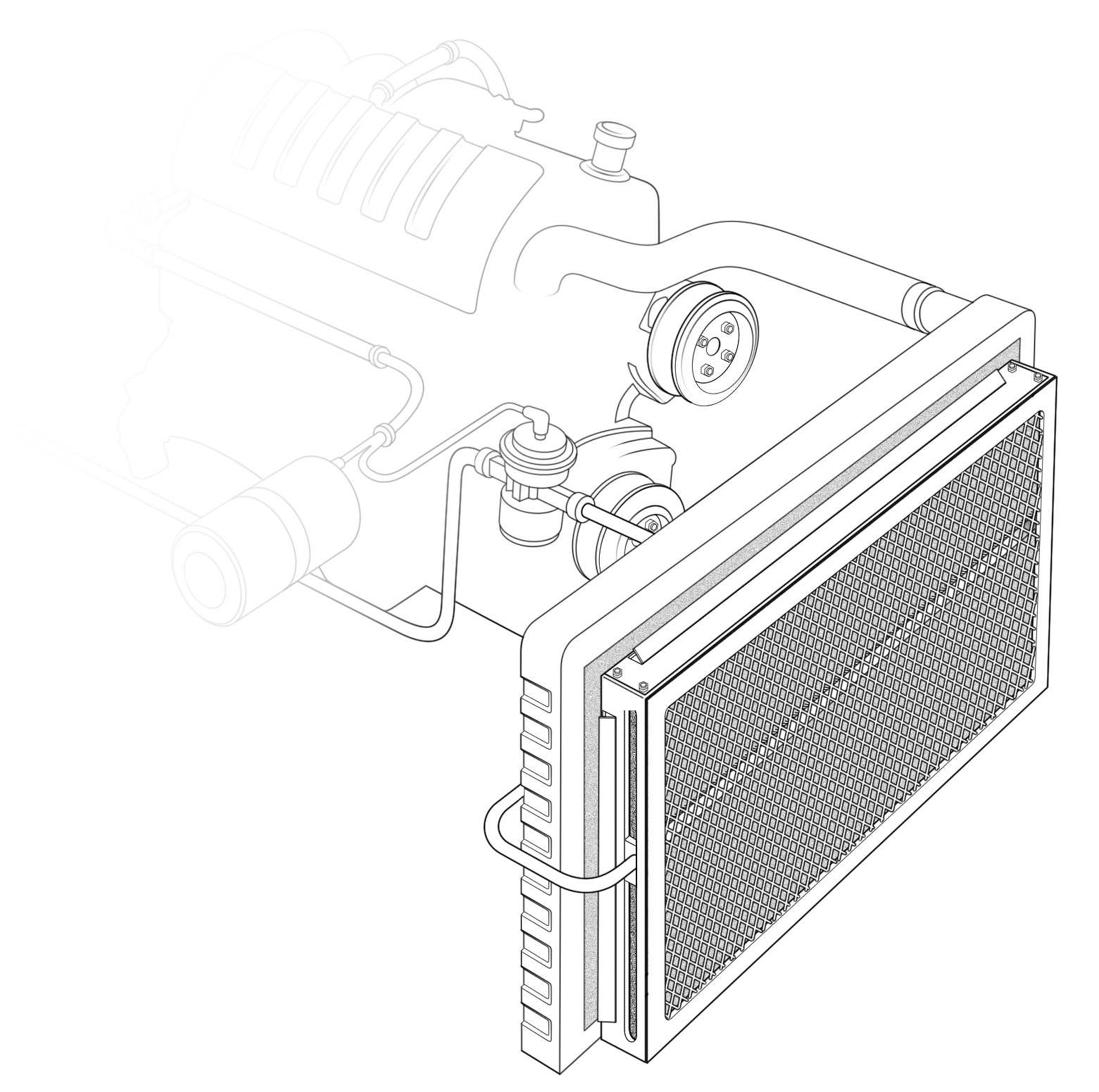
The Need for PlanetWEST MIDAC Technology
Effects of the Proposed Trump Administration CAFE Standards
U.S. Corporate Average Fuel Economy (CAFE) standards are currently under reconsideration, with the Trump administration proposing substantial rollbacks for model years 2022–2031. The proposal seeks to reduce required annual fuel economy improvements to 0.5% from a 2022 baseline, with the stated objective of improving vehicle affordability and supporting continued sales of gasoline-powered vehicles. In addition, the proposal would eliminate civil penalties for noncompliance and discontinue the existing credit trading system.
These changes stand in contrast to the prior Biden administration’s policy framework, which targeted annual fuel economy increases of approximately 2% to accelerate the transition toward electric vehicles (EVs). Public hearings to review the proposed revisions are scheduled for early 2026.
Key Aspects of the Proposed Rollback (Late 2025)
Reduced Stringency: Lowers the required fleet-wide average fuel economy from the Biden-era target of approximately 50.4 miles per gallon (mpg) to about 36.6 mpg by 2031.
Lower Annual Gains: Reverts to a 0.5% annual fuel economy improvement from a 2022 baseline, compared with the previous 2% annual increase.
Increased Affordability: Seeks to reduce upfront vehicle costs by easing compliance obligations for manufacturers, potentially lowering purchase prices for consumers.
Elimination of Penalties: Recent legislation removed civil penalties for noncompliance, and the proposal would eliminate the credit trading system, requiring each manufacturer to independently meet fuel economy standards.
Environmental Consequences: Critics, including environmental organizations, argue that these changes would result in billions of additional gallons of gasoline consumed, leading to substantially higher emissions of carbon dioxide, nitrogen oxides, and particulate matter (soot).
Projected Emissions Impacts
Analyses from government and independent sources estimate that the proposed standards would significantly increase emissions relative to the prior, more stringent requirements:
Carbon Dioxide (CO₂): The proposed changes are projected to result in an additional 22,111 tons of carbon dioxide emissions annually by 2035 compared to the Biden-era rules. A 2019 analysis of an earlier proposal to freeze standards at 2020 levels estimated an increase of approximately 85 million metric tons of CO₂ per year by 2035.
Nitrogen Oxides (NOₓ): The revised standards could permit an estimated additional 4,870 tons of smog-forming nitrogen oxides to be emitted annually.
Particulate Matter (Carbon Soot): The proposal is expected to result in approximately 90 additional tons of fine particulate matter released into the atmosphere each year.
PlanetWEST’s Role in Mitigation
In response to these proposed regulatory changes, PlanetWEST stands prepared to mitigate the resulting increase in carbon and pollutant emissions.
By deploying its proprietary MIDAC capture technology across all newly produced passenger vehicles and heavy-haul trucks, PlanetWEST could offset the anticipated rise in pollution. This advanced system enables continued consumer choice in vehicle ownership while actively removing carbon from the atmosphere. In effect, PlanetWEST’s MIDAC technology offers a balanced solution—supporting economic and consumer preferences while advancing the critical mandate to improve air quality and safeguard public health for future generations.